

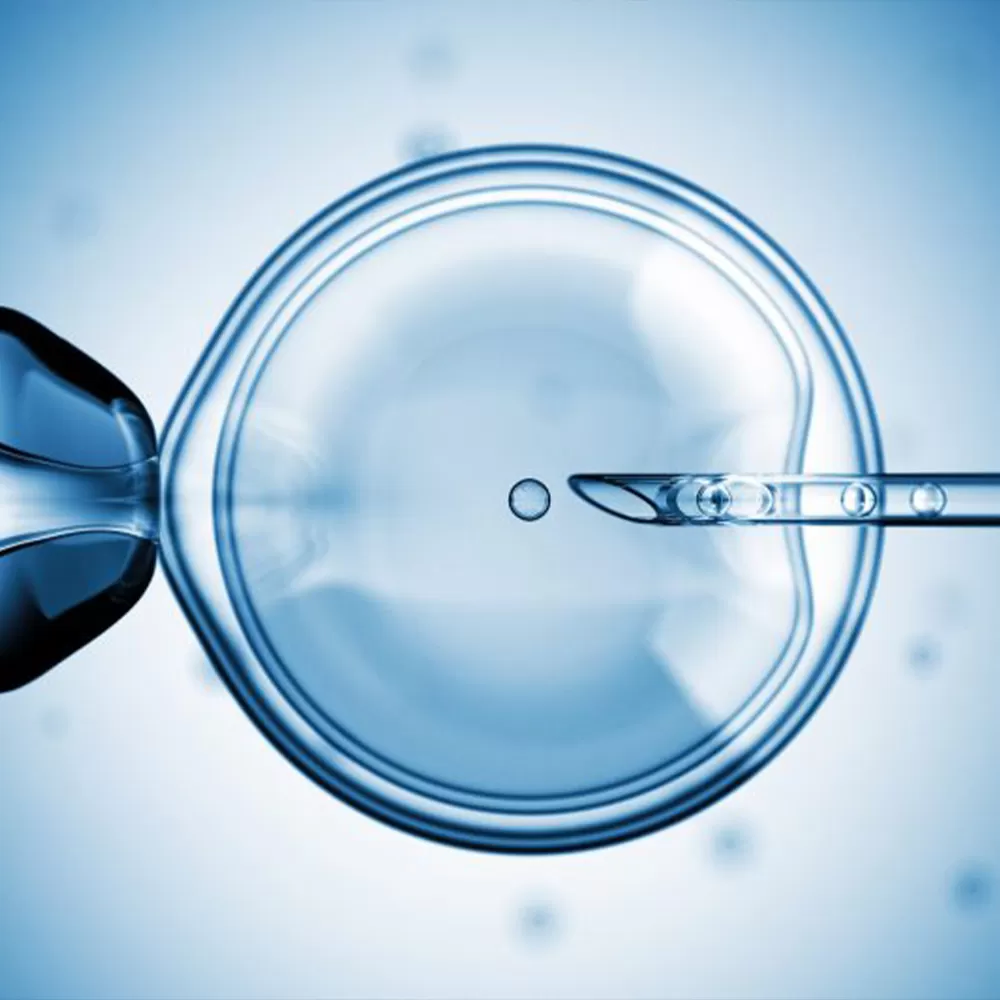
When couples embark on In Vitro Fertilisation (IVF), the physical burden of hormonal injections and procedures often falls heavily on women. However, half of the genetic equation belongs to the man. Sperm quality directly influences fertilisation rates, embryo development, and overall pregnancy success.
Because the full cycle of sperm production (spermatogenesis) takes roughly 74 to 90 days, the lifestyle choices you make today will directly shape the sample used on egg retrieval day.
Here is a practical, 90-day action plan to optimise sperm parameters before starting your IVF cycle.
1. Get Baseline Testing Early
Do not wait until retrieval day to evaluate your sample. Schedule a comprehensive semen analysis – and ideally a sperm DNA fragmentation test – at least three months before treatment.
Standard analysis measures:
- Count: The number of sperm present per millilitre.
- Motility: The percentage of sperm actively swimming forward.
- Morphology: The percentage of sperm with normal size and shape.
DNA fragmentation assesses the integrity of the genetic payload inside the sperm. High fragmentation can compromise embryo quality or lead to early pregnancy loss. Testing early gives your urologist time to recommend targeted medical interventions or protocol adjustments, such as microfluidic sperm sorting (PICSI or Zymōt chips) on retrieval day.
2. Fuel Sperm Development with Targeted Nutrition
Developing sperm cells are extremely sensitive to reactive oxygen species (ROS), which cause oxidative stress and damage DNA. Countering this damage requires a diet rich in antioxidants and key micronutrients.
- Antioxidants: Coenzyme Q10 (CoQ10), Vitamin C, Vitamin E, and Selenium protect sperm cell membranes from structural damage.
- Essential nutrients: Zinc, L-carnitine, and Folate support cellular division and energy production within the sperm tail.
- Dietary adjustments: Focus on a Mediterranean-style diet heavy in leafy greens, berries, nuts, seeds, and fatty fish (rich in Omega-3s), while reducing ultra-processed foods and refined sugars.
Note: Consult your reproductive endocrinologist or urologist for personalised dosage recommendations before starting high-dose supplements.
3. Control Testicular Temperature
Testicles sit outside the body for a physiological reason: sperm production requires a temperature roughly 2°C to 3°C lower than core body temperature. Sustained heat exposure damages developing sperm and increases DNA fragmentation.
- Avoid heat sources: Skip hot tubs, saunas, steam rooms, and heated car seats during the 90-day prep window.
- Modify tech habits: Never rest a warm laptop directly on your lap for extended periods.
- Rethink apparel: Swap tight briefs or athletic compression gear for loose-fitting boxers to ensure proper circulation and temperature regulation.
4. Eliminate Toxins and Endocrine Disruptors
Certain everyday habits and environmental chemicals act as toxins to sperm production.
- Stop tobacco, vaping, and cannabis: Nicotine and cannabis compounds cross the blood-testis barrier, reducing sperm concentration and altering morphology.
- Minimise alcohol: Heavy alcohol consumption disrupts the hypothalamic-pituitary-gonadal (HPG) axis, lowering testosterone and sperm output. Limit intake to minimal levels or eliminate it completely during the 90-day window.
- Reduce plastic exposure: Endocrine-disrupting chemicals like bisphenol-A (BPA) and phthalates mimic estrogen in the body. Switch to glass or stainless steel food containers and avoid microwaving food in plastic.
5. Master Ejaculation Frequency
Finding the right balance for ejaculation timing prevents sperm from ageing inside the body while maintaining high counts.
- Regular clearance: Ejaculating every 2 to 3 days during the months leading up to retrieval prevents sperm from sitting in the epididymis, where exposure to oxidative stress accumulates over time.
- The final abstinence window: Follow your clinic’s instructions closely regarding retrieval day. Typically, an abstinence window of 24 to 48 hours yields optimal balance between overall count and motility/DNA integrity (longer abstinence periods often increase volume at the expense of sperm quality).
Optimising sperm health is not about achieving perfection overnight; it is about building a supportive environment for sperm production across a full 90-day cycle. Starting this process early allows you to take active ownership of your side of the fertility journey and give your future embryos the strongest possible start.
Would you like to expand this article with a section on specific clinical procedures (like ICSI or microTESE), or adjust the tone for a specific audience?
If you’re looking to begin your male fertility journey, Zita West has what you need, with a specialist range of supplements that optimise the chances of success by providing you with the optimal amount of nutrients. Get in touch for more information!
- Best AI Video Generators of 2026: Tools Worth Considering for Creators and Teams
- Why Modern Couples are Choosing Matching Wedding Bands
- Choosing Jewellery That Feels Personal, Timeless and Truly Yours
- A Man’s Action Plan for Optimising Sperm Health When Preparing for IVF
- Building a Fashion Brand Really Starts With the Right Supplier