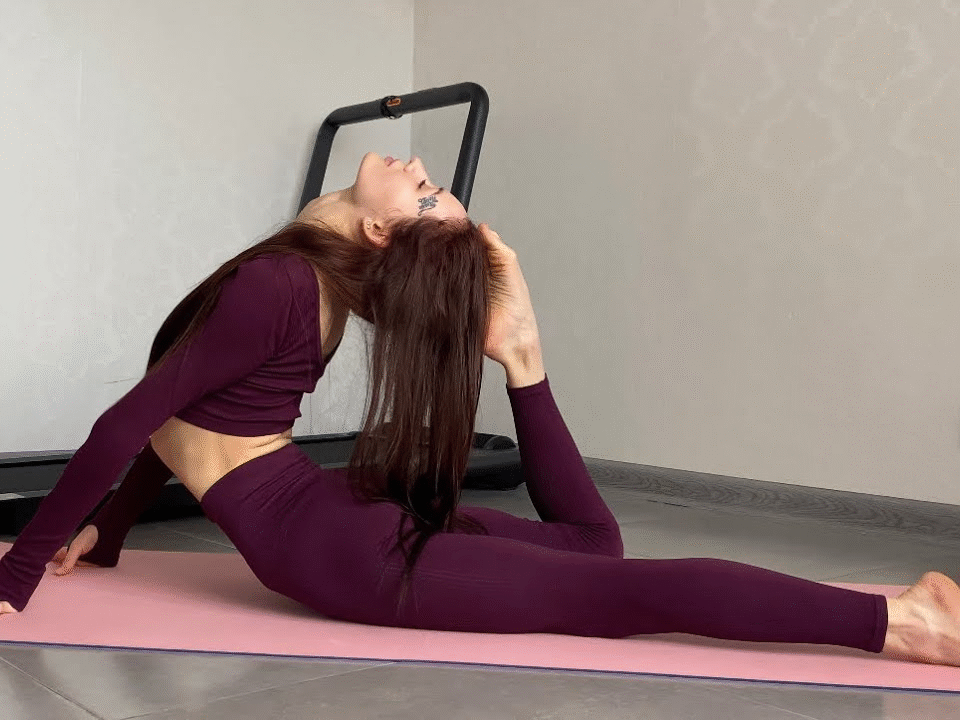


In today’s fast-paced world, maintaining good health is more important than ever. Among the many ways to improve both physical and mental well-being, yoga and Pilates stand out as two highly effective practices. While both focus on body awareness, flexibility, and strength, each has unique benefits that can enhance your overall health. Understanding these benefits can motivate you to incorporate them into your daily routine.
Understanding Yoga
Yoga is an ancient practice that originated in India over 5,000 years ago. It combines physical postures, breathing exercises, and meditation to promote harmony between the body and mind. Yoga is not only about physical fitness; it also nurtures mental and emotional balance.
Some common forms of yoga include:
- Hatha Yoga: Focuses on gentle movements and basic postures.
- Vinyasa Yoga: Involves flowing sequences and dynamic movements.
- Ashtanga Yoga: A rigorous style that builds strength and endurance.
- Yin Yoga: A slow-paced style targeting deep tissue flexibility.
Understanding Pilates
Pilates, developed by Joseph Pilates in the early 20th century, emphasizes controlled movements, core strength, and body alignment. Unlike yoga, which often includes meditation, Pilates is more focused on precise physical exercises that improve posture, balance, and flexibility.
There are two main types of Pilates:
- Mat Pilates: Performed on a mat using body weight for resistance.
- Reformer Pilates: Uses specialized equipment to add resistance and support.
Benefits of Yoga for Body Health
Yoga offers a holistic approach to improving physical and mental health. Here are the key benefits:
- Improves Flexibility
Regular yoga practice gently stretches muscles and increases the range of motion in joints. Over time, you may notice reduced stiffness and improved mobility. - Strengthens Muscles
Many yoga poses require you to support your body weight, which naturally tones and strengthens muscles. This can help prevent injuries and improve overall body strength. - Enhances Posture
Yoga encourages body awareness and alignment, which can correct poor posture habits. Better posture reduces strain on the spine and joints. - Reduces Stress
Through deep breathing and meditation, yoga lowers stress hormones and promotes relaxation. This can lead to better sleep, reduced anxiety, and a calmer mind. - Boosts Circulation and Heart Health
Yoga improves blood flow, reduces blood pressure, and supports cardiovascular health by combining movement with breath control. - Supports Weight Management
While gentle yoga may not burn as many calories as vigorous exercise, regular practice can improve metabolism and support healthy weight management.
Benefits of Pilates for Body Health
Pilates emphasizes core strength, balance, and controlled movement. Its benefits include:
- Strengthens Core Muscles
Pilates focuses heavily on the abdominal, back, and pelvic muscles, providing a strong foundation that supports overall body strength and stability. - Improves Posture and Alignment
By emphasizing body awareness and spinal alignment, Pilates helps reduce back pain and prevents posture-related issues. - Enhances Flexibility
Although Pilates is less about stretching than yoga, it incorporates exercises that lengthen muscles, improving flexibility over time. - Promotes Balance and Coordination
Pilates exercises require precision and control, enhancing balance and coordination, which is especially beneficial for older adults. - Supports Rehabilitation and Injury Prevention
Pilates is widely used in physical therapy because it strengthens muscles without placing stress on joints, making it ideal for injury recovery. - Boosts Mental Focus
Concentration is key in Pilates, which enhances mental clarity and body awareness, reducing stress and increasing mindfulness.
Combining Yoga and Pilates
Many people find that practicing both yoga and Pilates provides a comprehensive approach to fitness. Yoga enhances flexibility, mindfulness, and stress relief, while Pilates strengthens the core and improves posture and balance. Combining the two can create a balanced workout routine that addresses both physical and mental well-being.
Tips for Beginners
- Start Slowly: Begin with basic yoga poses or mat Pilates exercises.
- Consistency Matters: Aim for at least 2–3 sessions per week.
- Listen to Your Body: Avoid pushing yourself too hard to prevent injuries.
- Seek Guidance: Attend classes or follow online tutorials to ensure proper technique.
- Stay Hydrated: Drink water before and after your sessions to support recovery.
Conclusion
Yoga and Pilates are both incredible tools for improving body health. Yoga brings flexibility, relaxation, and mental calmness, while Pilates builds strength, posture, and balance. Whether practiced individually or together, they promote a healthier, more resilient body and a calmer, more focused mind. Incorporating these practices into your routine can lead to long-term health benefits, making your body stronger and your mind sharper.
Frequently Asked Questions (FAQs)
1. Can yoga and Pilates help with weight loss?
Yes, while neither is primarily a calorie-burning activity, regular practice improves metabolism, muscle tone, and body awareness, which can support healthy weight management.
2. Is Pilates better than yoga for core strength?
Pilates specifically targets the core muscles more intensively than yoga, making it highly effective for building abdominal and back strength.
3. Can I practice yoga and Pilates if I have back pain?
Yes, both can be adapted for individuals with back pain. Pilates is especially recommended for rehabilitation, but it’s important to consult a professional before starting.
4. How often should I practice yoga or Pilates for best results?
Ideally, 2–3 times per week is sufficient to see improvements in strength, flexibility, and mental well-being.
5. Can beginners practice yoga and Pilates at home?
Absolutely! Many online classes and tutorials are designed for beginners. Start with short sessions, focus on proper form, and gradually increase difficulty.