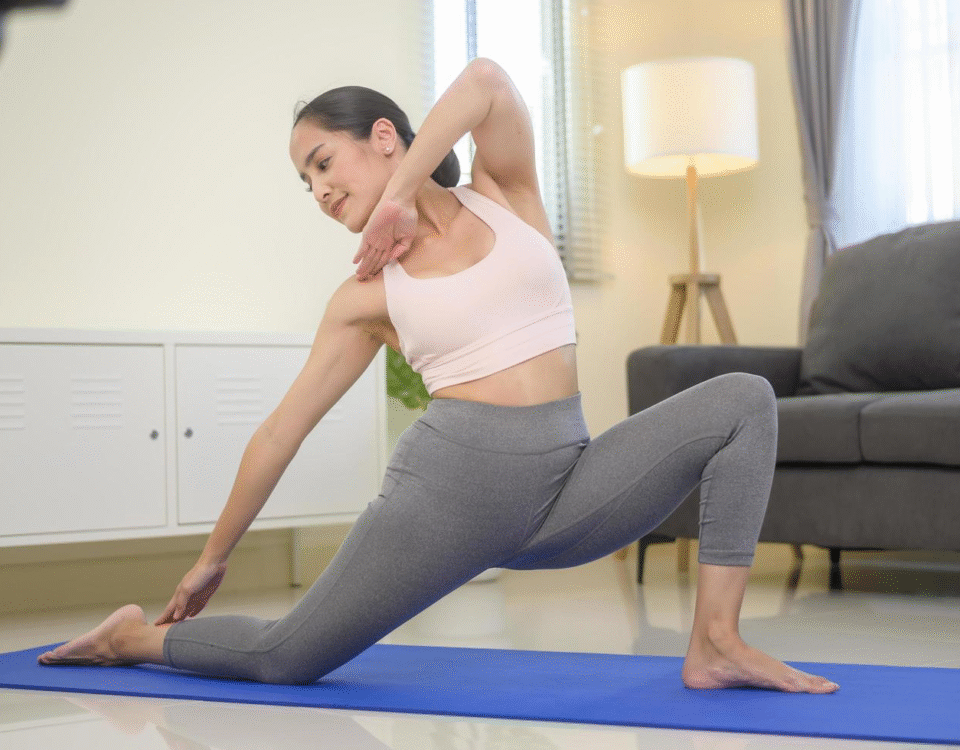


Flexibility is an essential component of overall fitness, yet many people overlook it in their daily routines. Being flexible allows your body to move freely, reduces the risk of injury, improves posture, and even helps with stress relief. One of the most effective ways to enhance flexibility is through stretching exercises. In this article, we will explore the benefits of stretching, the types of stretches, and practical exercises you can do at home or at the gym to improve your flexibility.
Why Flexibility Matters
Flexibility refers to the ability of your muscles and joints to move through their full range of motion. Good flexibility not only enhances your physical performance but also makes everyday activities easier. Imagine bending down to tie your shoes or reaching for a high shelf—flexibility makes these movements smoother and less straining.
Lack of flexibility can lead to tight muscles, joint pain, and even injuries during workouts or daily activities. Stretching exercises help lengthen your muscles, improve circulation, and maintain joint health. Over time, regular stretching can also reduce muscle soreness and improve your balance and coordination.
Types of Stretching
Before diving into exercises, it’s essential to understand the main types of stretching:
1. Static Stretching
Static stretches involve holding a position for a certain period, usually 20–60 seconds. This type of stretch is great for cooling down after a workout and improving overall flexibility. For example, touching your toes and holding the position is a static stretch.
Benefits:
- Enhances muscle length
- Reduces tension
- Improves joint range of motion
2. Dynamic Stretching
Dynamic stretching involves moving parts of your body through a full range of motion repeatedly. This type of stretching is ideal as a warm-up before exercise because it increases blood flow and prepares your muscles for activity.
Examples: Arm circles, leg swings, and torso twists.
Benefits:
- Prepares muscles for physical activity
- Boosts circulation
- Increases mobility
3. PNF Stretching (Proprioceptive Neuromuscular Facilitation)
PNF stretching combines stretching and contracting the muscles. It is often done with a partner or using resistance. This method is highly effective for improving flexibility quickly.
Benefits:
- Significantly increases range of motion
- Strengthens muscles during stretching
- Ideal for advanced flexibility training
Essential Stretching Exercises for Better Flexibility
Here are some effective stretching exercises you can include in your daily routine:
1. Hamstring Stretch
Tight hamstrings are common, especially if you sit for long hours. To stretch them:
- Sit on the floor with your legs straight in front of you.
- Slowly reach forward toward your toes.
- Hold the stretch for 30 seconds and repeat 2–3 times.
Tip: Keep your back straight to avoid strain.
2. Cat-Cow Stretch
This yoga-inspired stretch targets the spine and improves back flexibility:
- Start on all fours with hands under shoulders and knees under hips.
- Inhale and arch your back (cow pose).
- Exhale and round your spine toward the ceiling (cat pose).
- Repeat 10–15 times.
3. Shoulder Stretch
Shoulders often get tight from desk work or heavy lifting:
- Bring your right arm across your chest.
- Use your left hand to gently pull it closer to your chest.
- Hold for 20–30 seconds and switch arms.
4. Butterfly Stretch
This stretch targets the inner thighs and hips:
- Sit on the floor with the soles of your feet together.
- Hold your feet with your hands and gently press your knees toward the ground.
- Hold for 20–30 seconds.
5. Calf Stretch
Tight calves can affect your mobility and posture:
- Stand facing a wall.
- Place your hands on the wall and step one foot back.
- Keep the back leg straight and heel on the ground.
- Hold for 20–30 seconds and switch legs.
6. Cobra Stretch
The cobra stretch improves flexibility in the lower back and chest:
- Lie face down on the floor with your hands under your shoulders.
- Push your chest up while keeping your hips on the ground.
- Hold for 15–20 seconds.
7. Side Lunges
Side lunges are excellent for stretching the hips and inner thighs:
- Stand with feet wide apart.
- Shift your weight to one side while keeping the other leg straight.
- Hold for 15–20 seconds, then switch sides.
Tips for Effective Stretching
- Warm Up First: Stretching cold muscles can cause injury. Do light cardio for 5–10 minutes before stretching.
- Breathe Deeply: Don’t hold your breath; deep breathing helps relax muscles.
- Consistency is Key: Stretch daily or at least 3–4 times a week to see improvement.
- Don’t Overstretch: Stretching should feel slightly uncomfortable but never painful.
- Incorporate Variety: Mix static, dynamic, and PNF stretches to target all muscle groups.
Benefits of Regular Stretching
Consistently performing stretching exercises can improve your overall well-being:
- Enhanced Flexibility: More range of motion in muscles and joints.
- Better Posture: Reduces slouching and spinal stiffness.
- Reduced Risk of Injury: Flexible muscles are less prone to strains.
- Pain Relief: Helps alleviate tension in the back, neck, and shoulders.
- Stress Reduction: Stretching encourages relaxation and mindfulness.
Common Mistakes to Avoid
- Bouncing During Static Stretching: This can cause micro-tears in muscles.
- Skipping Warm-Up: Stretching cold muscles increases the risk of injury.
- Ignoring Pain: Stretching should be mild to moderate discomfort, not sharp pain.
- Holding Breath: Breath-holding reduces oxygen flow and makes muscles tense.
- Neglecting Certain Muscle Groups: Stretch all major muscles for balanced flexibility.
Sample Daily Stretching Routine
Here’s a simple 10–15 minute routine for better flexibility:
- 2 minutes light cardio warm-up
- 30 seconds cat-cow stretch
- 30 seconds hamstring stretch (each leg)
- 30 seconds shoulder stretch (each arm)
- 30 seconds butterfly stretch
- 30 seconds calf stretch (each leg)
- 15 seconds cobra stretch
- 20 seconds side lunges (each side)
Doing this routine daily can significantly improve your flexibility over time.
Frequently Asked Questions (FAQs)
1. How long does it take to see results from stretching?
It depends on your starting flexibility and consistency. Generally, noticeable improvement can be seen in 4–6 weeks with regular stretching.
2. Can stretching prevent injuries?
Yes, stretching helps improve joint range of motion and muscle elasticity, which reduces the risk of strains and sprains.
3. Should I stretch before or after exercise?
Dynamic stretching is ideal before exercise to warm up muscles, while static stretching is best after exercise to cool down and improve flexibility.
4. How often should I stretch?
For optimal flexibility, aim for daily stretching or at least 3–4 times per week.
5. Is stretching enough to become flexible, or should I do other exercises?
Stretching is key, but combining it with strength training and yoga can enhance flexibility and overall fitness more effectively.
Conclusion
Flexibility is more than just touching your toes—it’s about maintaining healthy muscles, joints, and overall body function. By incorporating stretching exercises into your daily routine, you can improve your mobility, reduce pain, prevent injuries, and enhance your overall well-being. Start with simple stretches, be consistent, and gradually explore more advanced techniques like PNF stretching. Your body will thank you with better movement, less tension, and a healthier, more active life.