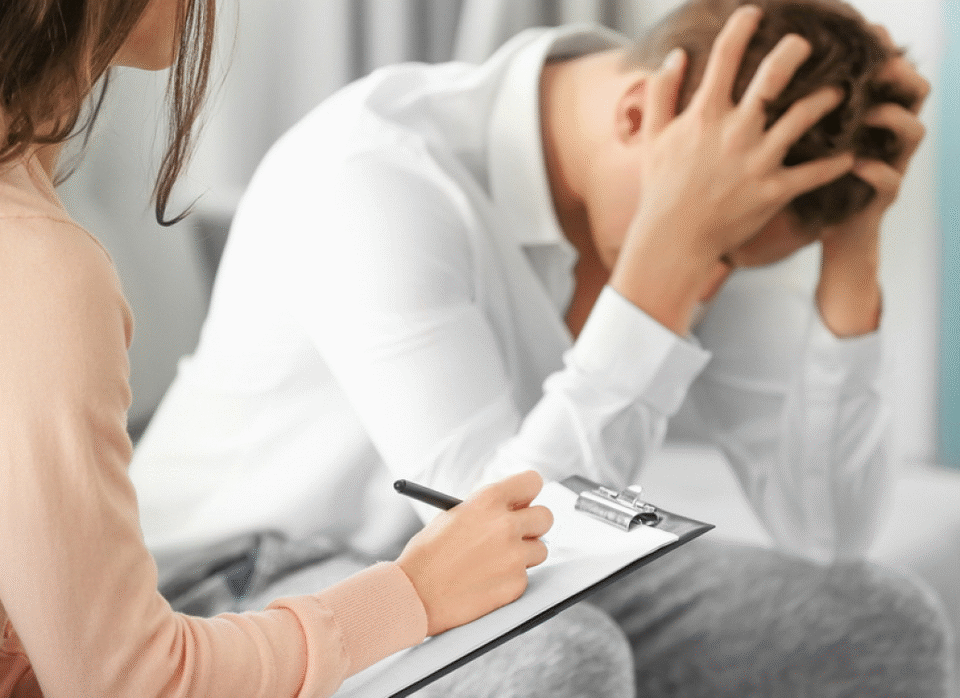


In today’s fast-paced world, stress and anxiety have become common experiences for almost everyone. Whether it’s work pressure, family responsibilities, financial worries, or just the daily rush, we often find ourselves feeling overwhelmed. The good news is that managing stress and anxiety doesn’t have to be complicated. With a few simple, consistent habits, you can improve your mental well-being and feel calmer, more balanced, and more in control of your life.
Let’s explore simple ways to manage stress and anxiety that truly make a difference.
1. Understand What’s Causing Your Stress
The first step to managing stress is understanding the root cause. Many people feel anxious without realizing what’s actually bothering them. Take a few minutes each day to reflect on what’s triggering your stress.
Ask yourself:
- Is it work deadlines?
- Family conflicts?
- Financial issues?
- Social pressure?
Once you identify your triggers, you can start finding better ways to deal with them. Sometimes, just recognizing the source can make you feel more empowered and less helpless.
2. Practice Deep Breathing
One of the fastest and most effective ways to calm your mind and body is deep breathing. When you’re anxious, your breathing becomes shallow, which increases tension. Deep breathing helps activate your body’s relaxation response and lowers your heart rate.
Try this simple exercise:
- Sit or lie down comfortably.
- Inhale slowly through your nose for 4 seconds.
- Hold your breath for 4 seconds.
- Exhale through your mouth for 6 seconds.
- Repeat for a few minutes.
Doing this regularly can help reduce anxiety almost instantly and bring a sense of calm whenever you need it.
3. Stay Active and Exercise Regularly
Physical activity is a natural stress reliever. Exercise releases endorphins — chemicals in the brain that boost your mood and make you feel happier. You don’t need to run a marathon or spend hours at the gym; even 20–30 minutes of walking, stretching, or yoga can do wonders for your mental health.
Some great options include:
- A morning or evening walk
- Dancing to your favorite music
- Gentle yoga or stretching
- Riding a bike
- Swimming
The key is to move your body regularly. Over time, exercise not only helps manage anxiety but also improves sleep, boosts confidence, and strengthens your immune system.
4. Maintain a Healthy Diet
What you eat affects how you feel. A balanced diet rich in nutrients can help your body handle stress more effectively. Try to eat:
- Fresh fruits and vegetables
- Whole grains
- Lean proteins (like fish, chicken, or beans)
- Healthy fats (like nuts, olive oil, and avocado)
Avoid too much caffeine, sugar, and processed foods, as these can increase anxiety or cause energy crashes. Staying hydrated is equally important — dehydration can make you feel tired, irritable, or anxious.
5. Get Enough Sleep
Sleep plays a vital role in emotional balance. When you’re sleep-deprived, even small problems can feel overwhelming. Adults should aim for 7–9 hours of quality sleep each night.
To improve your sleep:
- Stick to a regular bedtime.
- Avoid screens (phones, TVs, or laptops) an hour before bed.
- Keep your room cool, dark, and quiet.
- Try reading a book or listening to calming music before sleep.
Good sleep helps your brain process emotions and recharge, reducing both stress and anxiety levels.
6. Practice Mindfulness and Meditation
Mindfulness means focusing on the present moment — not worrying about the past or the future. When practiced regularly, mindfulness can reduce anxiety, improve focus, and increase emotional strength.
Ways to practice mindfulness:
- Try guided meditation apps like Calm or Headspace.
- Focus on your breathing for a few minutes daily.
- Pay attention to your surroundings — sounds, smells, and sensations — without judgment.
- Practice gratitude by writing down three things you’re thankful for each day.
Even 5–10 minutes a day can make a big difference over time.
7. Limit Screen Time and Social Media
While technology connects us, too much screen time — especially scrolling through social media — can increase stress and anxiety. Constant exposure to negative news or unrealistic lifestyles can make you feel anxious, jealous, or inadequate.
Try to:
- Set screen-free hours each day.
- Unfollow accounts that make you feel bad.
- Use your phone intentionally rather than mindlessly scrolling.
Instead, spend that time connecting with loved ones in person, reading, or engaging in relaxing activities.
8. Connect with People You Trust
Talking about your feelings is one of the healthiest ways to reduce stress. Sharing your thoughts with a friend, family member, or counselor can help you feel supported and understood. Sometimes, just knowing that someone cares can make a huge difference.
If you don’t feel comfortable talking to someone close, consider joining a support group or talking to a therapist. Professional help is not a sign of weakness — it’s a step toward healing and balance.
9. Take Time for Yourself
Self-care isn’t selfish — it’s essential. Take breaks from your routine and do things that make you happy or relaxed. Whether it’s a hobby, a walk in nature, a warm bath, or listening to your favorite music, make time to recharge your mind and body.
Simple self-care ideas include:
- Journaling your thoughts
- Drinking tea in silence
- Painting or crafting
- Gardening
- Watching a feel-good movie
When you care for yourself, you handle stress better and feel more positive overall.
10. Practice Positive Thinking
Your thoughts shape your emotions. When you constantly think negatively, your brain stays in “stress mode.” Try to replace negative thoughts with positive or realistic ones.
For example:
- Instead of saying “I can’t do this,” try “I’ll do my best and learn as I go.”
- Instead of “Everything is going wrong,” say “This is just a tough moment — it will pass.”
Practicing gratitude and focusing on what’s going well can shift your mindset and reduce anxiety over time.
11. Learn to Say “No”
Many people feel stressed because they take on too much — extra work, social commitments, or responsibilities. Learning to say “no” helps you protect your energy and mental health.
You don’t have to please everyone. Set healthy boundaries and prioritize what truly matters to you. Remember, saying no doesn’t mean you’re rude — it means you’re taking care of yourself.
12. Seek Professional Support When Needed
If stress or anxiety starts interfering with your daily life — such as your sleep, work, or relationships — it’s important to seek professional help. Therapists and counselors can teach coping skills, provide emotional support, and, if necessary, recommend treatments like therapy or medication.
Never hesitate to ask for help — it’s a sign of strength and self-awareness.
Conclusion
Managing stress and anxiety doesn’t require major life changes — small, consistent habits can make a big difference. By taking time to breathe deeply, exercise, eat well, sleep better, and stay mindful, you can create a calmer, happier, and more balanced life.
Remember: You deserve peace of mind. Be patient with yourself, and take it one step at a time. Stress may not disappear overnight, but with these simple strategies, you can learn to handle it more effectively and live a healthier, more fulfilling life.
Frequently Asked Questions (FAQs)
1. What are the main causes of stress and anxiety?
Common causes include work pressure, financial problems, relationship issues, health concerns, and major life changes. Even daily hassles like traffic or deadlines can contribute.
2. Can diet really affect stress levels?
Yes. Foods high in sugar, caffeine, or processed ingredients can increase anxiety. A balanced diet rich in fruits, vegetables, whole grains, and proteins supports emotional stability.
3. How long does it take to see results from mindfulness or meditation?
You might notice a difference within a few days, but long-term benefits come with consistent practice over weeks or months.
4. What’s a quick way to calm down during a panic moment?
Try deep breathing — inhale slowly through your nose, hold for a few seconds, then exhale through your mouth. Focusing on your breath helps your body relax quickly.
5. When should I seek professional help for stress and anxiety?
If stress or anxiety starts affecting your daily life — such as your sleep, work, or relationships — or causes physical symptoms, it’s best to talk to a mental health professional.