

In today’s fast-paced world, being busy has almost become a badge of honor. Between work commitments, family responsibilities, and social obligations, it’s easy to forget to take care of the most important person — yourself. But here’s the truth: self-care doesn’t have to be complicated or time-consuming. Even small moments of mindfulness, relaxation, or nourishment can make a world of difference to your physical and mental well-being.
This guide explores simple self-care routines for busy people that fit easily into your day, helping you recharge without disrupting your schedule.
Why Self-Care Matters (Especially When You’re Busy)
Many people think of self-care as luxury — something to do when there’s “extra” time. But in reality, self-care is essential for maintaining balance, focus, and energy.
When life gets hectic, stress levels rise, sleep suffers, and productivity drops. That’s when self-care becomes even more important. Regular self-care helps:
- Reduce stress and anxiety
- Boost mood and energy levels
- Improve focus and mental clarity
- Support physical health and immunity
- Prevent burnout
The key is consistency, not complexity. You don’t need a spa weekend or a two-hour morning routine — just small, intentional habits that nurture your body and mind every day.
1. Start Your Day with 10 Minutes for Yourself
Mornings set the tone for the rest of your day. Even if you have a packed schedule, try carving out just 10 minutes of “you time” before diving into work or family duties.
Here are a few quick ways to do it:
- Stretch or do light yoga to wake up your body.
- Sip your coffee or tea in silence, without scrolling your phone.
- Write in a gratitude journal — list 3 things you’re thankful for.
- Take deep breaths and visualize a calm, productive day ahead.
This short practice helps ground you and gives you a sense of control before the chaos begins.
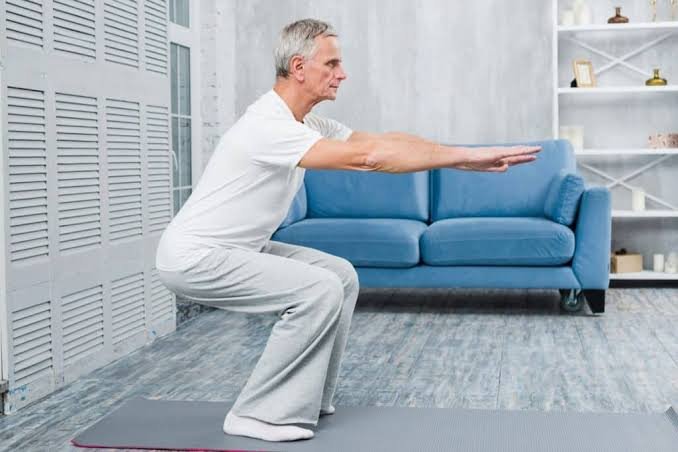
2. Make Movement Part of Your Day
You don’t need a gym membership or a strict fitness plan to stay active. Simply moving your body throughout the day helps release tension, boost circulation, and lift your mood.
Try these easy options:
- Walk during phone calls or take short walking breaks between meetings.
- Stretch for 5 minutes every hour if you sit for long periods.
- Dance while cooking or cleaning — it counts as exercise too!
- Take the stairs instead of the elevator whenever possible.
These small bursts of movement add up, keeping you energized without requiring a major time commitment.
3. Nourish Your Body with Simple, Healthy Choices
When you’re busy, it’s tempting to grab whatever’s quick — usually processed snacks or takeout. But nourishing your body with balanced meals is one of the most powerful forms of self-care.
Some easy ways to eat better without spending hours in the kitchen include:
- Meal prepping on weekends — even simple lunches or snacks.
- Keeping healthy grab-and-go foods like nuts, fruits, or yogurt nearby.
- Drinking enough water — dehydration can drain your energy fast.
- Limiting caffeine and sugar, which can cause energy crashes.
You don’t have to follow a perfect diet. Just focus on making small improvements that make you feel good from the inside out.
4. Create Mini Mindfulness Moments
Mindfulness doesn’t always mean long meditation sessions. For busy people, it can be as simple as taking a few intentional pauses throughout the day.
Here are some ways to practice mindfulness in daily life:
- Take three deep breaths before starting a new task.
- Focus on your senses — what you see, hear, and feel — for one minute.
- Do one thing at a time, resisting the urge to multitask.
- End your day with reflection — think about what went well today.
These small practices bring calmness and clarity, even during a hectic day.
5. Set Digital Boundaries
Technology keeps us connected, but it also drains our attention and increases stress. Constant notifications, emails, and social media can make you feel mentally overloaded.
Try these quick digital detox habits:
- Turn off non-essential notifications on your phone.
- Avoid screens for 30 minutes after waking up and before bed.
- Set specific times to check emails or messages.
- Use “Do Not Disturb” mode during focus time or meals.
Creating boundaries with technology gives your brain a break — and helps you be more present in real life.
6. Take Short Mental Breaks During Work
Working nonstop might seem productive, but it often leads to burnout. Short mental breaks can actually improve your focus and performance.
Try the Pomodoro technique — work for 25 minutes, then take a 5-minute break. During that time, you can:
- Stretch your legs
- Look out the window
- Listen to calming music
- Do a breathing exercise
These small pauses help refresh your mind and prevent mental fatigue.
7. Prioritize Sleep — Even If You’re Busy
No self-care routine is complete without quality sleep. It’s the foundation of good health, mental clarity, and emotional balance.
Simple sleep-care habits include:
- Going to bed and waking up at the same time daily (even weekends).
- Avoiding screens at least 30 minutes before bed.
- Creating a calming bedtime ritual — reading, stretching, or journaling.
- Keeping your room dark, cool, and quiet.
Even if you can’t always get 8 hours, focus on improving the quality of your rest.
8. Learn to Say “No”
For many busy people, burnout comes from overcommitting. Saying “no” is an act of self-care. You can’t pour from an empty cup, and setting boundaries allows you to protect your time and energy.
You don’t have to feel guilty about declining extra tasks, invitations, or favors that drain you. Choose what truly matters and let go of what doesn’t.
Remember, rest is productive too.
9. Practice Gratitude and Positive Self-Talk
Your mindset plays a huge role in your overall well-being. Practicing gratitude helps shift your focus from stress to appreciation, while positive self-talk builds confidence and resilience.
Try ending each day by writing or thinking about:
- One thing you’re grateful for
- One thing you accomplished
- One thing you’re looking forward to tomorrow
This simple ritual takes less than five minutes but can greatly improve your mood and perspective.
10. Treat Yourself with Kindness
Lastly, remember that self-care is not about perfection — it’s about compassion. Some days you’ll manage a full workout and a healthy meal, while other days you might just have time for a 2-minute breathing break.
And that’s okay. What matters is consistency, not intensity. Treat yourself with the same kindness you’d offer a loved one.
Final Thoughts
Self-care isn’t selfish — it’s a necessity, especially for busy people. By adding a few small habits to your daily routine, you can nurture your body, mind, and spirit without needing extra time or money.
Whether it’s a few minutes of deep breathing, a short walk, or turning off your phone before bed, every act of self-care adds up. Start small, stay consistent, and watch how your energy, mood, and productivity begin to improve.
Remember: you can’t take care of everything else if you don’t take care of yourself first.
🌿 Frequently Asked Questions (FAQs)
1. What is the easiest self-care routine for busy people?
The easiest routine is to start your day with 10 minutes of quiet time — stretch, breathe, or write in a gratitude journal. It helps you feel centered and ready for the day ahead.
2. How can I practice self-care when I have no free time?
You can fit in mini self-care moments — like deep breathing, short walks, or mindful pauses — between tasks. Even two minutes of calm can reset your energy.
3. Do I need to spend money to practice self-care?
Not at all. Self-care is about nourishing your well-being, not buying products. Free activities like meditation, journaling, or spending time outdoors work just as well.
4. How can self-care improve my productivity?
Self-care reduces stress, improves sleep, and boosts focus. When your mind and body are well-rested, you can perform tasks more efficiently and with greater creativity.
5. What are some quick self-care ideas for workdays?
Some easy workplace self-care ideas include stretching, drinking water, listening to calming music, taking short breaks, or eating a healthy snack.